First-hand · verified against the real thing
Cat 5e vs Cat 7: the cable rating that is mostly marketing, in one page
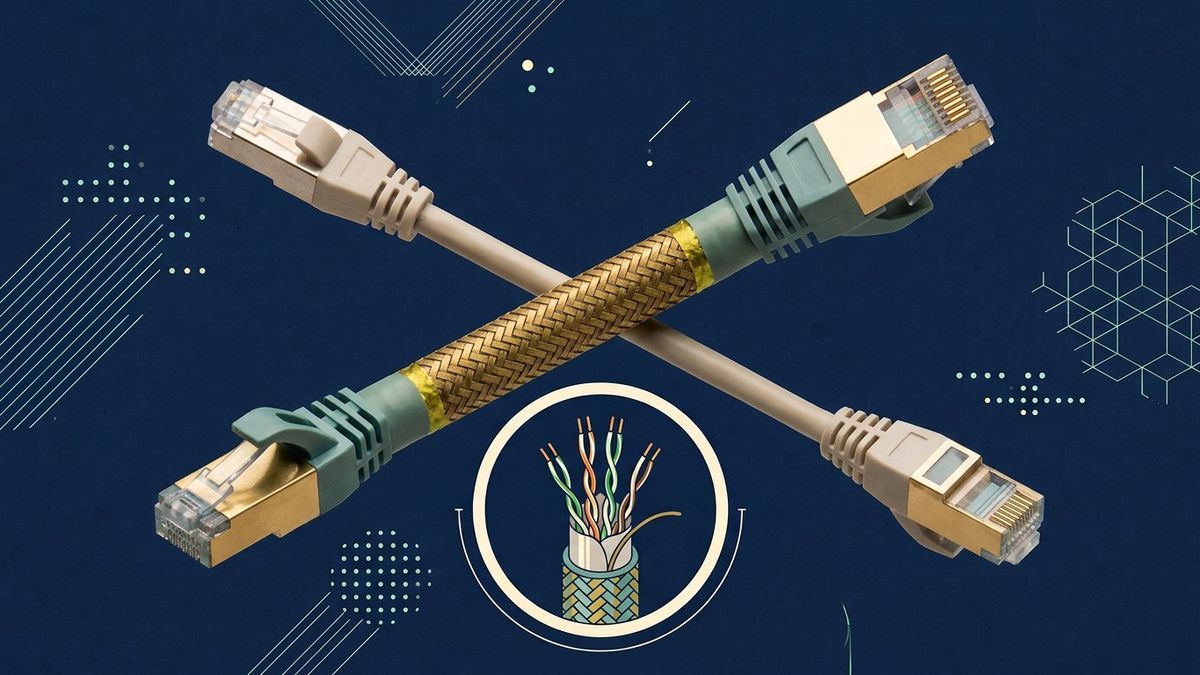
In one line: What each category actually guarantees, why 'Cat 7' on a market stall means neither Cat nor 7, and the only two numbers that matter when you buy.
Network cable has become a label business: the same-looking grey wire is stamped Cat 5e, Cat 6, Cat 7, Cat 8, sometimes all of them across the aisle, and the price follows the number rather than the physics. The physics is simple enough to own in one page - and it makes most of what is sold on the "upgrade" shelf irrelevant to your house.
What the numbers actually promise
- Cat 5e - certified to 100 MHz, all four pairs live, good to 1 Gbps at the full 100 metres, 2.5 Gbps at shorter runs on real-world quality. This is the cable already in your walls doing gigabit, and the standard it earned it from is the reason gigabit Ethernet was cheap to everyone.
- Cat 6 - 250 MHz, tighter tolerances and a plastic spline some builds carry; 10 Gbps but only to roughly 55 metres on that spec. The honest home use: the patch lead to the router where the price difference from 5e is a rounding error.
- Cat 6a - 500 MHz, the real 10 Gbps-to-100-metre cable, thicker and stiffer - the one to buy if a 10G switch is actually in the plan (the plan, not the daydream).
- Cat 7 and Cat 7a - the marketing swamp. The specification only exists as an ISO cabling standard for fully shielded S/FTP cable using non-RJ45 connectors; what a stall sells as "Cat 7" in an RJ45 moulded boot is uncertified by definition, and there is no TIA-recognised Cat 7 for the jack you own. A properly built shielded cable is excellent - but the label alone guarantees nothing, which is the entire lesson of this shelf.
- Cat 8 - 2 GHz, thirty-metre data-centre patch cable for top-of-rack switches. In a house it is a status cable, physically - stiff, heavy, over the bend radius your walls hate.
The only two numbers that matter when buying
Length and build: under five metres, a decent 5e patch lead and a "Cat 7" mystery cable are indistinguishable at the speedtest; a cable that survives being stepped on behind a sofa needs good moulded boots, real copper (the CCA - copper-clad aluminium - "Cat 8" is the one product on the stall to actually avoid - it fails POE and it fails time), and the return policy that costs you nothing. The run through the ceiling is different: that one deserves 6a and a solid core, because fishing cable twice is a day of your year. Second: the chain - a gigabit router port does not become 10G with a thicker wire, and the switch/ports on both ends cap what the cable ever gets to prove.
Next