First-hand · verified against the real thing
A swollen phone battery is a Tuesday problem - it becomes a Friday problem
In one line: How swelling starts and where it shows first, the stop-using rule, the transport-and-disposal reality, and the habits that prevent the whole thing.
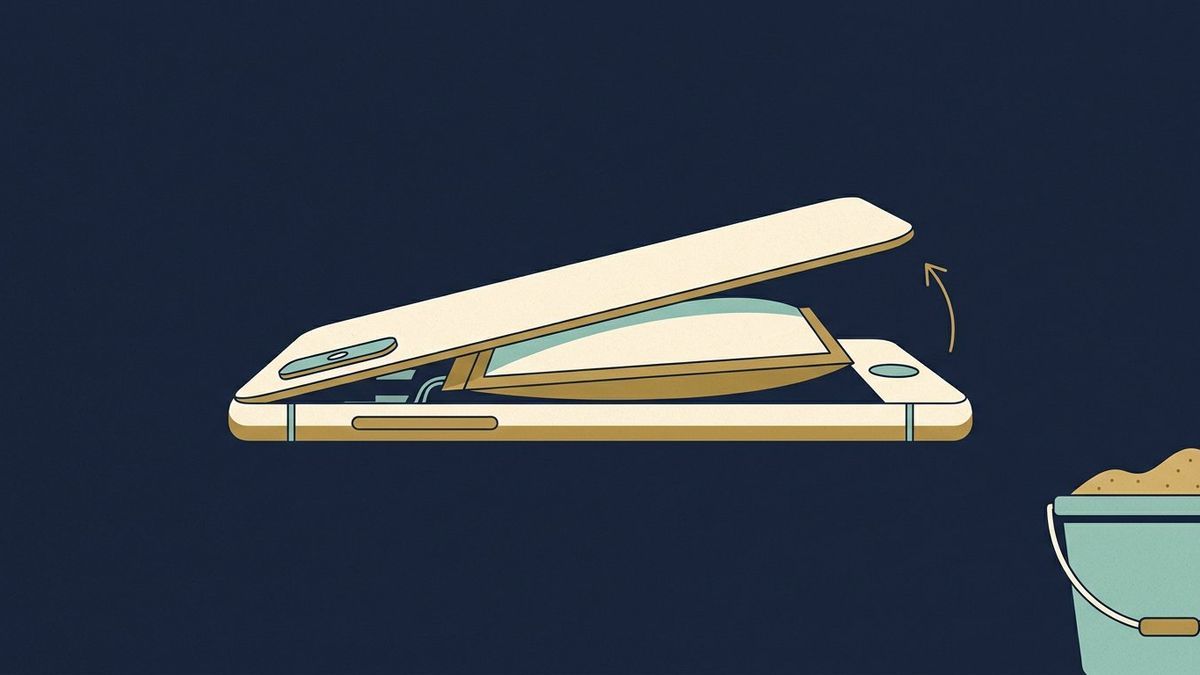
Every hardware scare on these desks ends at the same sentence eventually, and this one deserves the whole page: a lithium cell that has begun to make gas has begun a chemical clock that does not pause. The lifting screen and the wonky back panel are not "wear" - they are the phone showing you what the pouch inside has become, and the correct response is a set of steps measured in minutes, not weeks.
The tells, in the order they appear
- The gap: the screen or back panel lifts slightly at one edge - the adhesive seam fails first, and light from inside is the tell. Roll a fingernail gently along the seam; if a card's worth of daylight walks under the glass, stop what you're doing.
- The wobble: the phone no longer lies flat on a table; it spins on a high corner. (The desk has seen this diagnosed as "manufacturing defect" for months before the torch went under the seam - the spin test is free and it is conclusive.)
- The heat and the swell's second act: warmth that isn't charging, a case that suddenly won't close, the screen flexing under light fingertip pressure with a dark bloom around the touch point. The last one means pressure on the panel - the cell is not "settling".
- Any smell - sweet, solvent, or sharp - or audible hiss or pop: that is venting or about to be; the phone is now in the don't-touch-it-with-bare-hands-while-it-is-on-the-bed category. Outside, on concrete or in a metal pot, if you can move it at all - a bucket of sand is the household's first line, not a drawer.
The rules for the next hour and the next week
Power off, unplug, stop charging - the charge cycles feed the reaction that makes the gas. Remove the case so the pack can shed heat in air, keep it off anything soft (bedding is the classic ignition cradle), and never press on the swell to "snap it back" or puncture the pouch "to let it down" - that is how phone-repair folklore keeps the burn clinics busy. Then the two paths: a repair shop that handles cells daily for the swap (the part's cost is small money against what a puncture costs), and transport that is the rule nobody reads: the phone goes in a non-flammable container if you can manage it, not a pocket, not a bag with keys in it, not the bin beside the driver's seat on a hot day. Disposal into household or market waste is a yes-and-no - the cell is hazardous waste, the drop-off is the battery bin at the electronics shop or the e-waste point, and the phone that swells in that bin is the fire department's Wednesday. And the prevention that this is all worth reading because it works: heat is the headliner (the parked car, the sun-facing dash, the charge-under-pillow years), the swollen-pouch rate correlates with a phone's whole life at 100 percent charge under heat, and the desk's boring standing advice applies exactly - cool, shade, 80 percent where the toggle exists, and a charger the phone's own brand trusts.
Next