Evidence-aware · beginner-first · no miracle claims
Core, taught: 14 ab and stability moves
In one line: Planks, dead bugs, carries and anti-rotation - a midsection that carries groceries and protects the back, not one that only does crunches.
A useful core does three jobs: it resists arching, it resists twisting, and it transfers force between your legs and arms. Crunches train almost none of that. This page is built around what actually works - planks and their cousins, slow leg work, and carries.
The honest rule: abs are revealed by the kitchen and built by the library. These ten moves build the muscle; the calculators page helps with the arithmetic around it.
The forearm plank
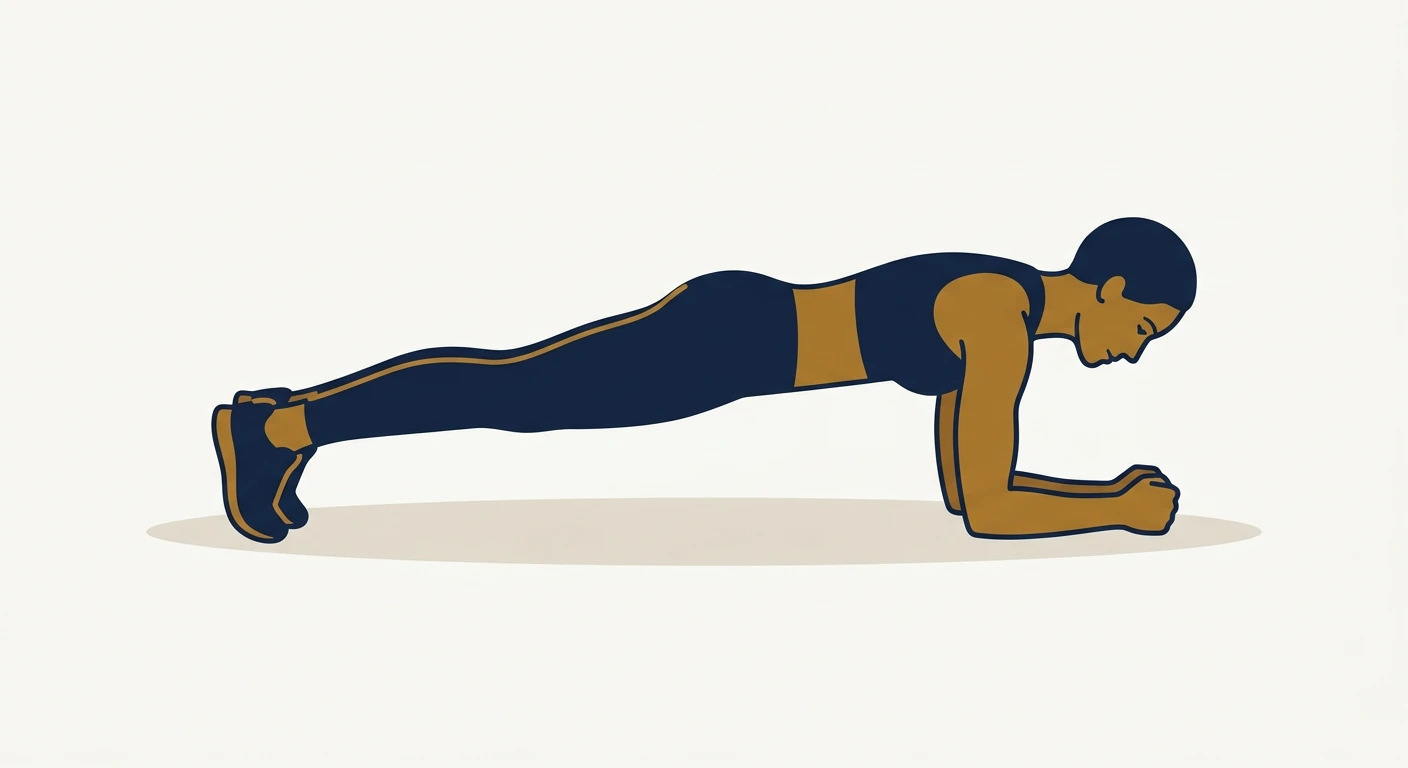
Setup and cues:
- Elbows under shoulders, forearms flat, feet hip-width.
- One straight line: ears, shoulders, hips, heels.
- Squeeze the stomach and glutes; tuck the pelvis slightly.
- Breathe shallow and steady - do not hold your breath.
The mistake everyone makes: Sagging hips or a piked tent. If a straight line is impossible, drop to the knees.
Sets: 3 holds of 20-45 seconds, rest 60 seconds.
Easier: Knees down, or hands on a bench (incline plank).
Harder: Longer holds past 45 seconds are less useful - try shoulder taps or a weighted vest instead.
The dead bug
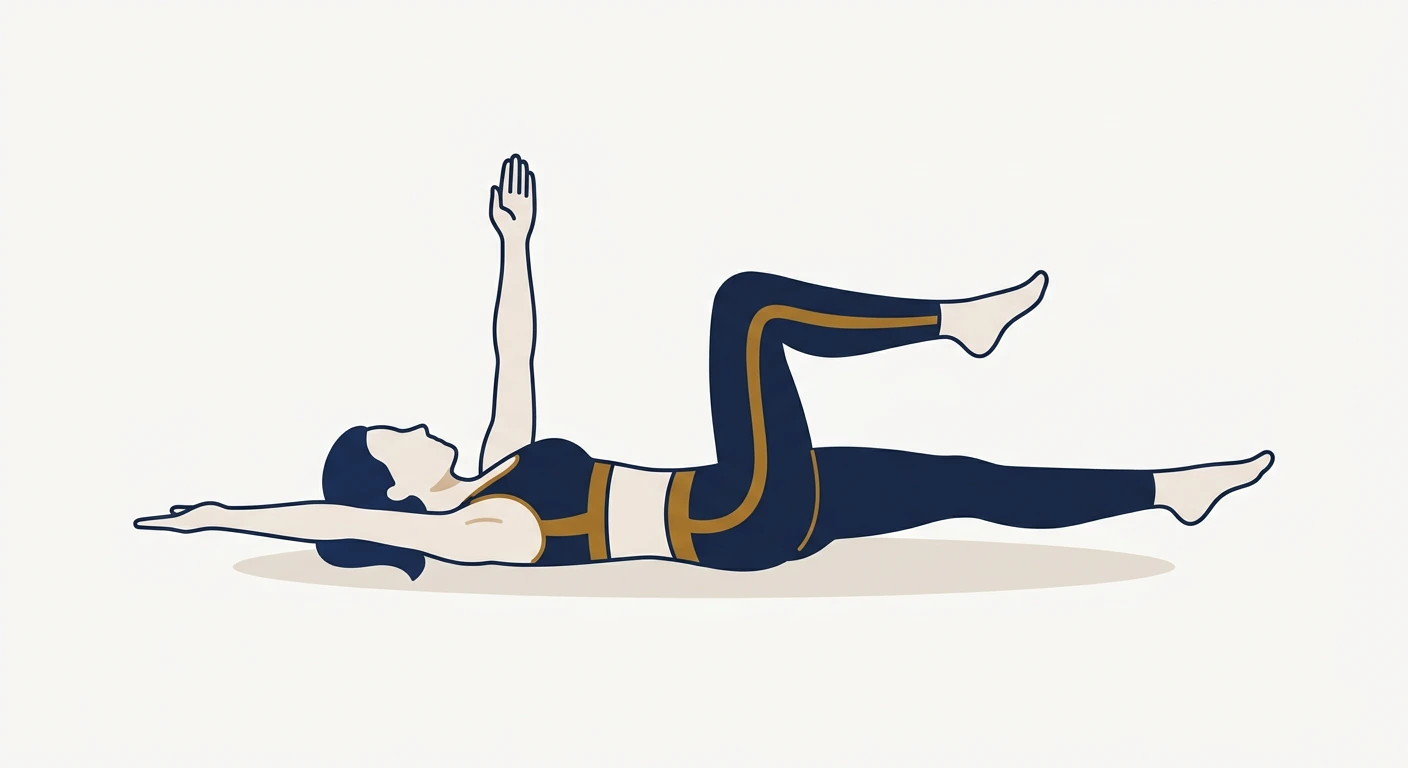
Setup and cues:
- Lie on your back, arms straight up, knees bent at 90 degrees.
- Press your lower back gently into the floor.
- Slowly lower the opposite arm and leg toward the floor.
- Return and switch sides. The back never arches.
The mistake everyone makes: Rushing. The lower back peels off the floor and the exercise is lost. Slow is the whole point.
Sets: 3 sets of 6-10 slow reps per side, rest 45 seconds.
Easier: Move legs only, hands braced on the floor.
Harder: Hold a light weight in the moving hand.
The bird dog
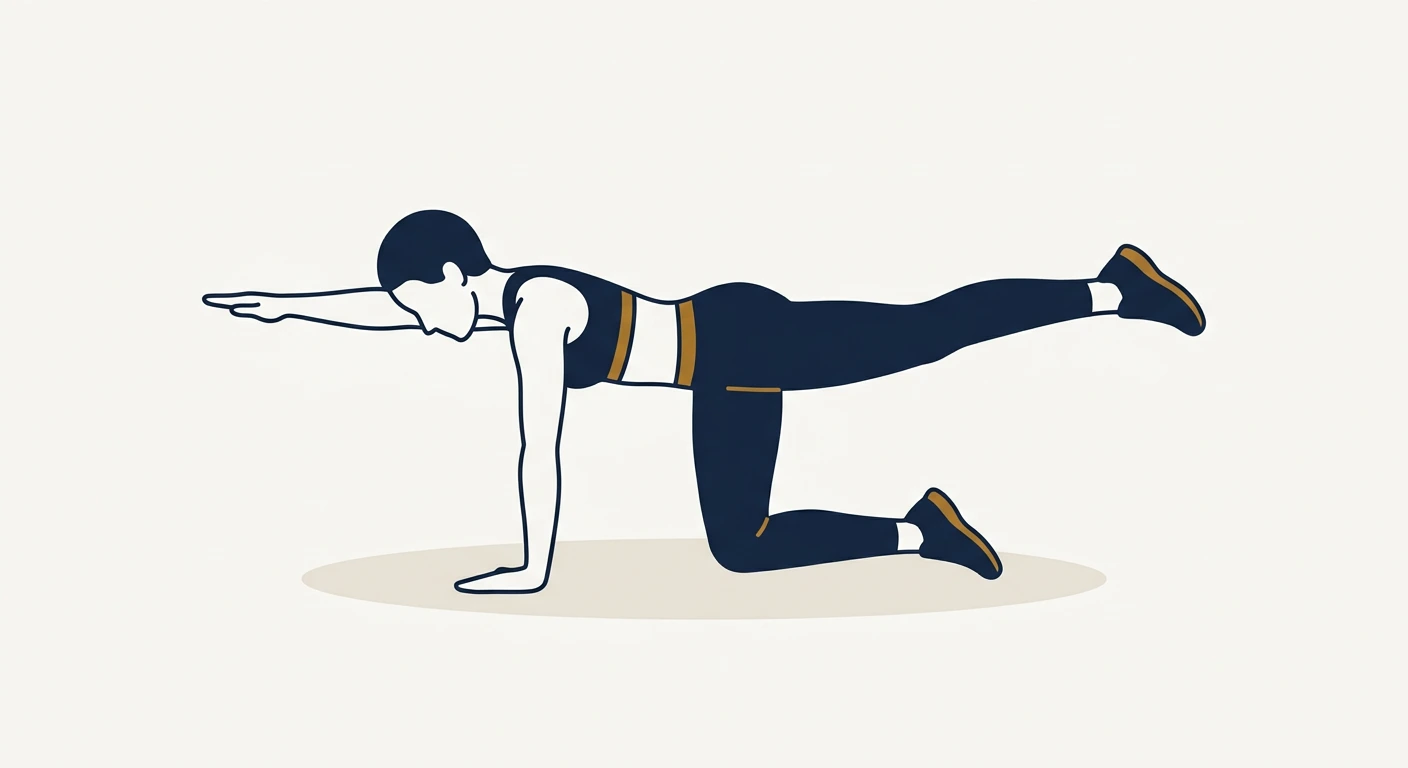
Setup and cues:
- On hands and knees, back flat like a table.
- Reach one arm forward and the opposite leg back, both at hip height.
- Hold two seconds without tilting the hips.
- Return and switch. Imagine a cup of coffee on your lower back.
The mistake everyone makes: Letting the hips rotate or the lower back arch as the leg lifts. Height does not matter - steadiness does.
Sets: 3 sets of 6-8 reps per side, rest 45 seconds.
Easier: Move the arm only, then the leg only.
Harder: Pause five seconds per rep, or do it elbow-to-knee under the body between reaches.
The side plank
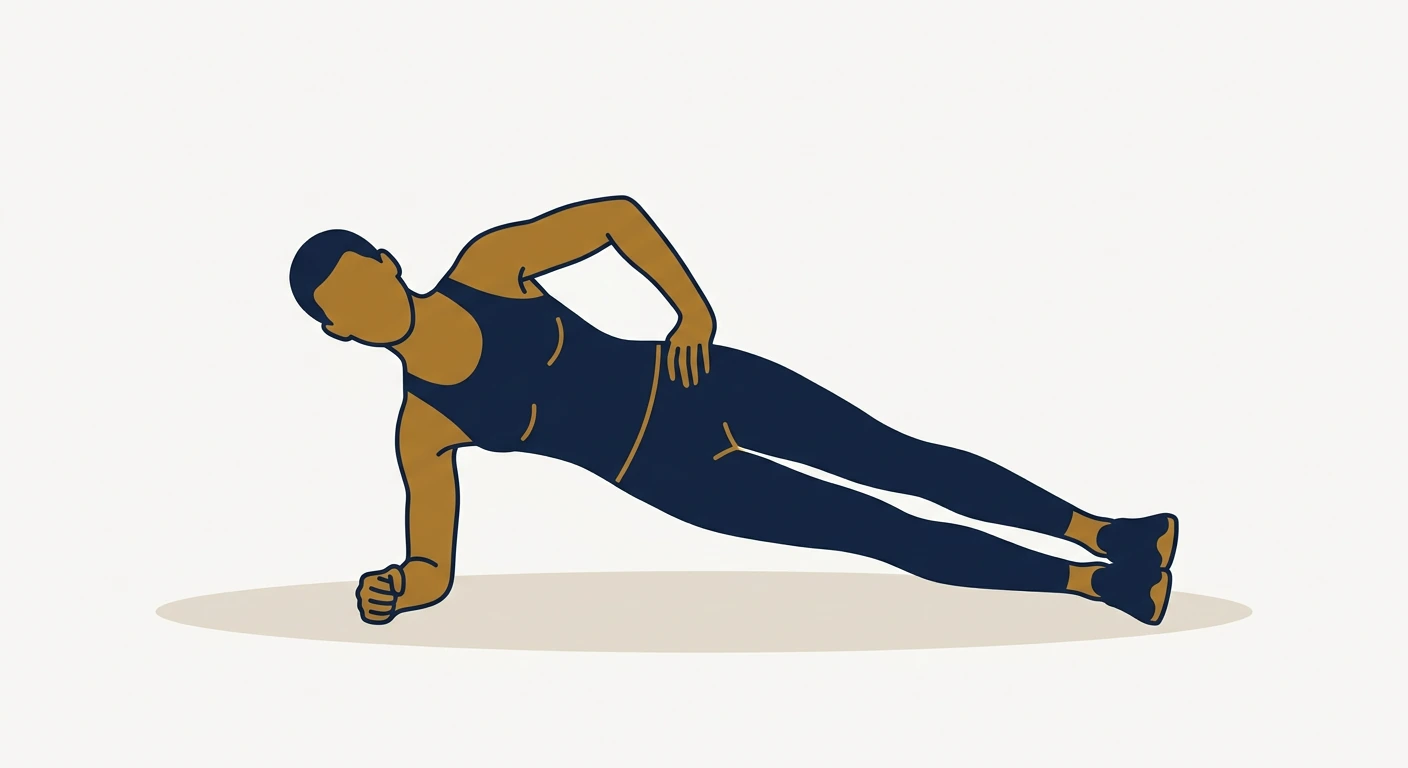
Setup and cues:
- Lie on your side, elbow under shoulder, feet stacked or staggered.
- Lift your hips until your body is one straight line.
- Top hand on the hip or reaching to the ceiling.
- Hold, breathe, then switch sides.
The mistake everyone makes: Hips drifting back or sagging down. A mirror or phone camera is honest feedback here.
Sets: 3 holds of 15-40 seconds per side, rest 45 seconds.
Easier: Bottom knee bent and down on the floor.
Harder: Raise the top leg, or thread the top arm under your body each rep.
The hollow hold
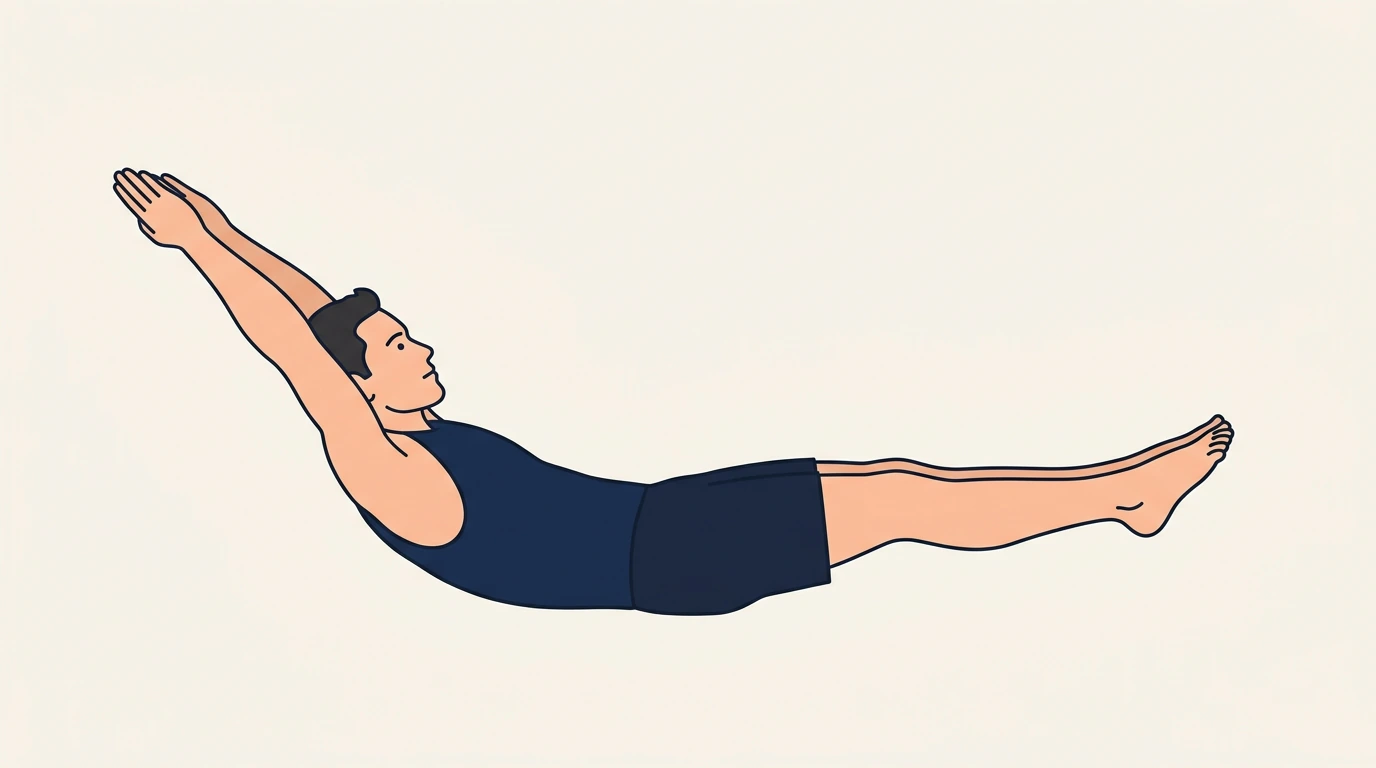
Setup and cues:
- Lie on your back, press the lower into the floor.
- Lift shoulders and legs a few centimetres, arms by the ears.
- The lower back stays glued to the floor - that is the whole exercise.
- Hold, breathing steadily.
The mistake everyone makes: Letting the lower back arch off the floor. Bend the knees or lift the legs higher to fix it.
Sets: 3 holds of 10-30 seconds, rest 60 seconds.
Easier: Tuck position: knees bent, arms by your sides.
Harder: Longer arms and lower legs - but only while the back stays flat.
The bicycle crunch
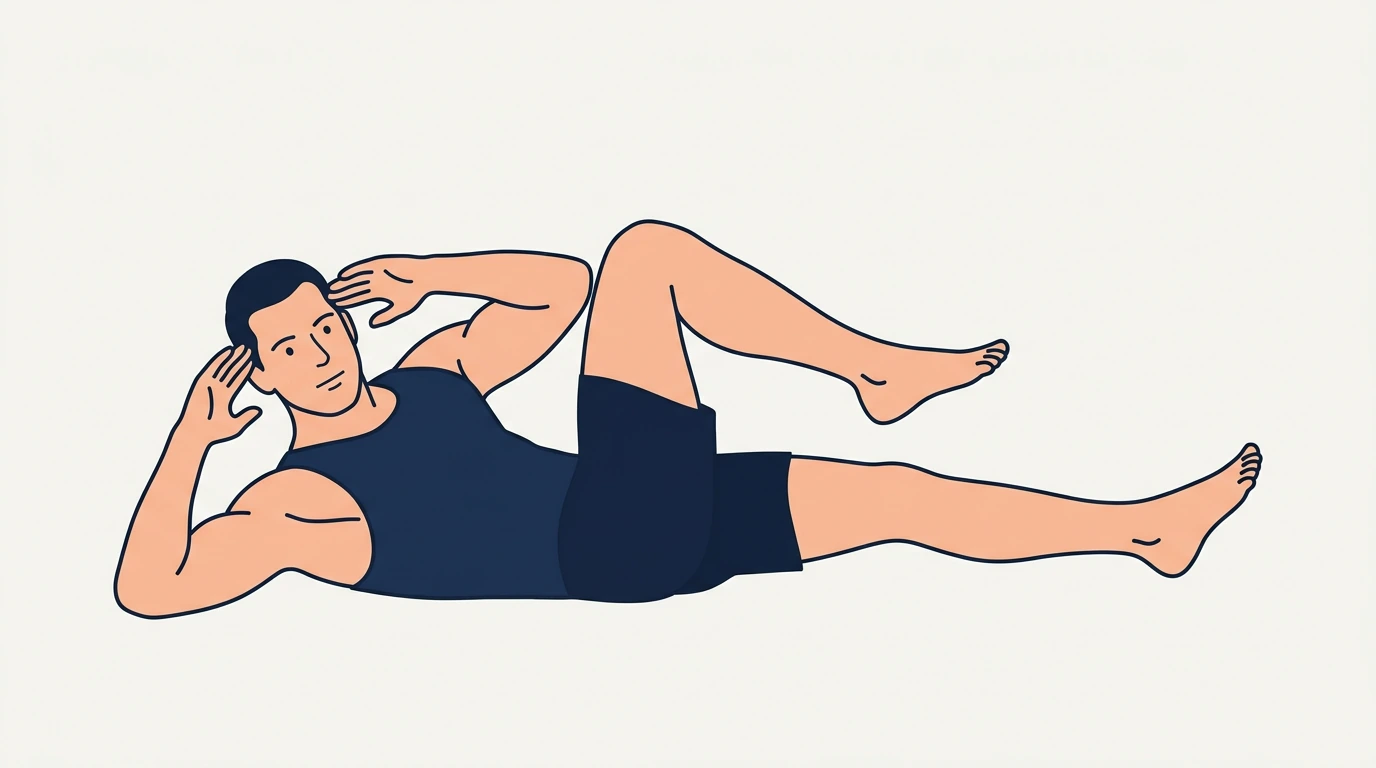
Setup and cues:
- Lie on your back, hands lightly behind the ears (no pulling).
- Lift the shoulders, bring one elbow toward the opposite knee as the other leg extends.
- Rotate from the ribs, not the elbows.
- Switch sides in a slow, steady rhythm.
The mistake everyone makes: Cranking the neck and racing. Slow rotations with the belly doing the work beat fifty fast ones.
Sets: 3 sets of 10-16 slow rotations, rest 45 seconds.
Easier: Keep both feet on the floor and rotate the shoulders only.
Harder: Pause one second at each rotation.
The lying leg raise
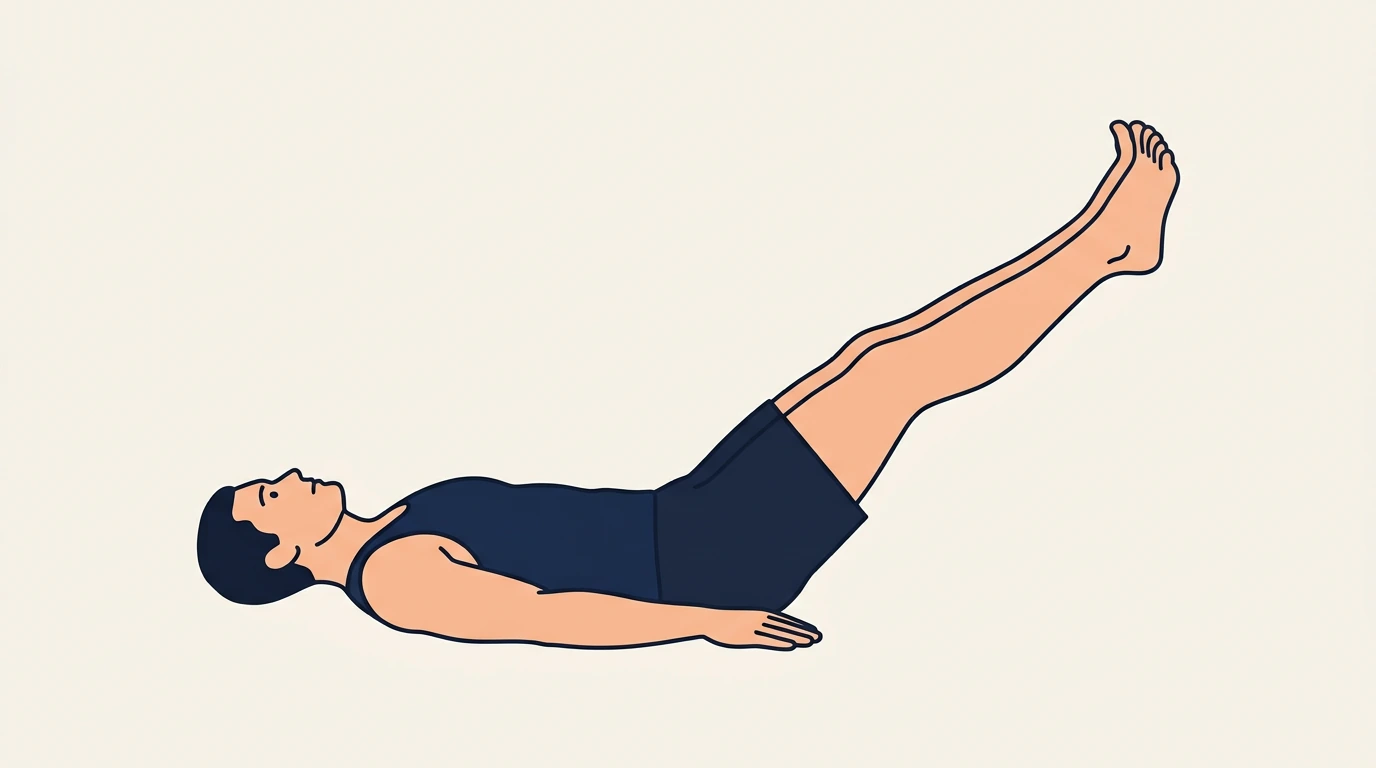
Setup and cues:
- Lie flat, hands at your sides or under the hips for support.
- Press the lower back down, then raise straight legs to vertical.
- Lower slowly - stop the moment the back wants to arch.
- That stopping point is your real range today.
The mistake everyone makes: Lowering past the arch point. The back arching means the abs have quit; shorten the range.
Sets: 3 sets of 8-12 reps, rest 60 seconds.
Easier: Bent knees, or one leg at a time.
Harder: Slow five-second lowering, or pause two inches off the floor.
The band Pallof press
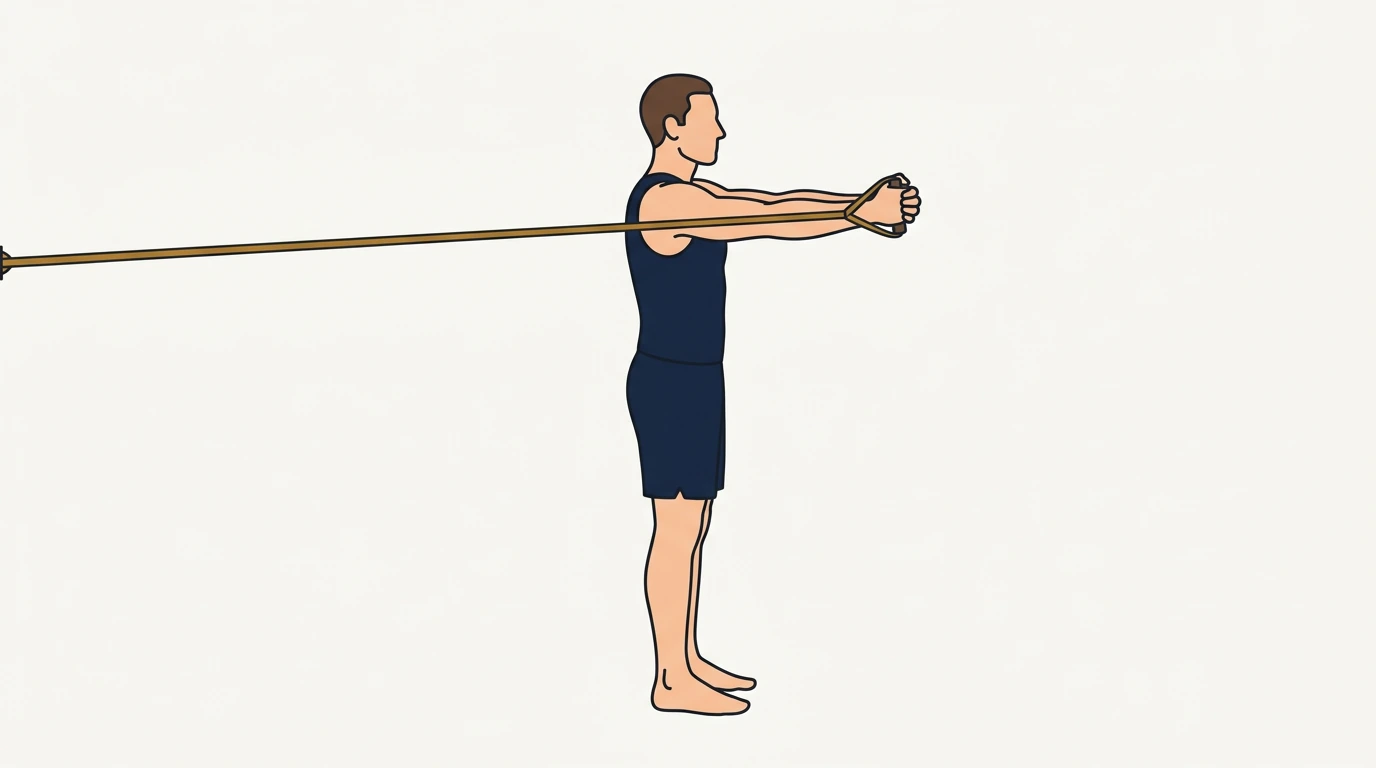
Setup and cues:
- Stand side-on to the anchor, band held at the chest with both hands.
- Step away so the band pulls you toward it.
- Press your hands straight out and resist the twist.
- Hold two seconds, return, finish the set, and turn around.
The mistake everyone makes: Letting the shoulders rotate toward the anchor. The press should look like a straight punch away from the sternum.
Sets: 3 sets of 8-10 presses per side, rest 45 seconds.
Easier: Stand closer to the anchor, lighter band.
Harder: Step further away, or press and hold five seconds.
The cat-cow
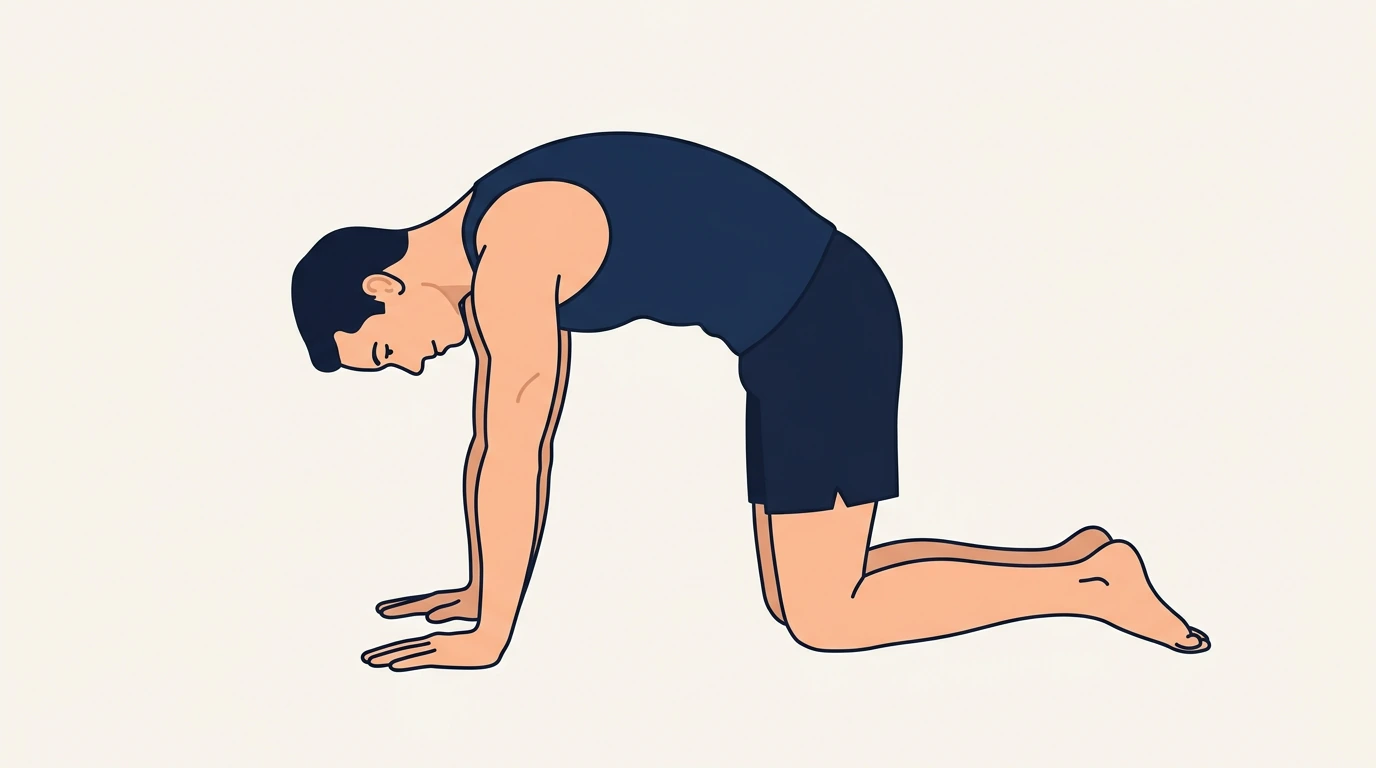
Setup and cues:
- On hands and knees, start with a flat back.
- Exhale and round the spine up toward the ceiling, chin tucked.
- Inhale and let the belly drop, chest forward, gently.
- Move slowly with the breath for the whole set.
The mistake everyone makes: Rushing through it like a stretch to get over with. This is a mobility drill - slow rounds are the reps.
Sets: 2 sets of 8-10 slow rounds. A perfect warm-up first thing.
Easier: Do it seated in a chair with hands on the knees.
Harder: Add a slow breath hold at each end position.
The suitcase carry
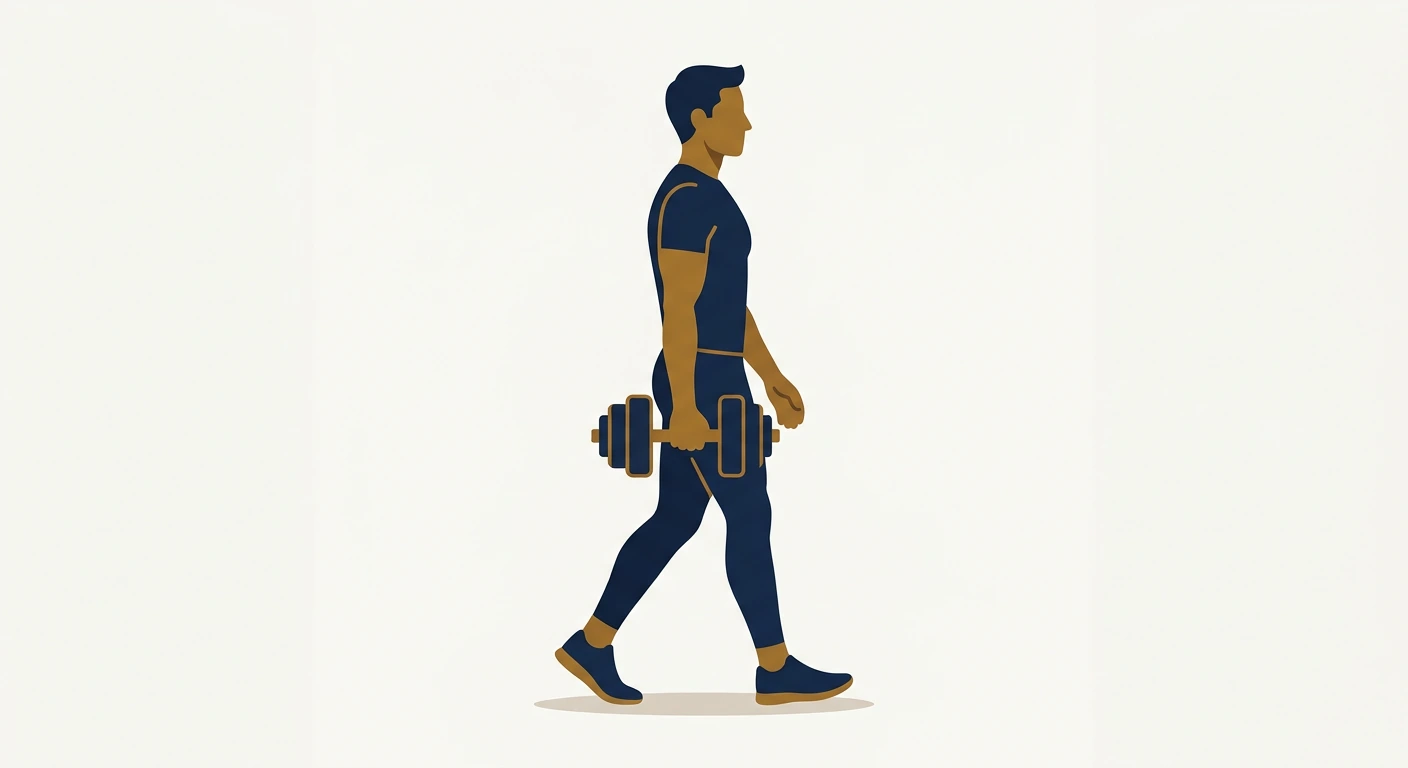
Setup and cues:
- Hold the weight in one hand like a suitcase.
- Stand tall - shoulders level, do not lean away from the weight.
- Walk 30-40 slow steps, staying perfectly upright.
- Set it down, switch hands, repeat.
The mistake everyone makes: Tilting toward or away from the weight. A mirror or window reflection tells the truth.
Sets: 3 carries per side, rest 60 seconds.
Easier: Lighter weight, shorter walk.
Harder: Heavier weight - this move rewards load more than distance.
The hollow rock
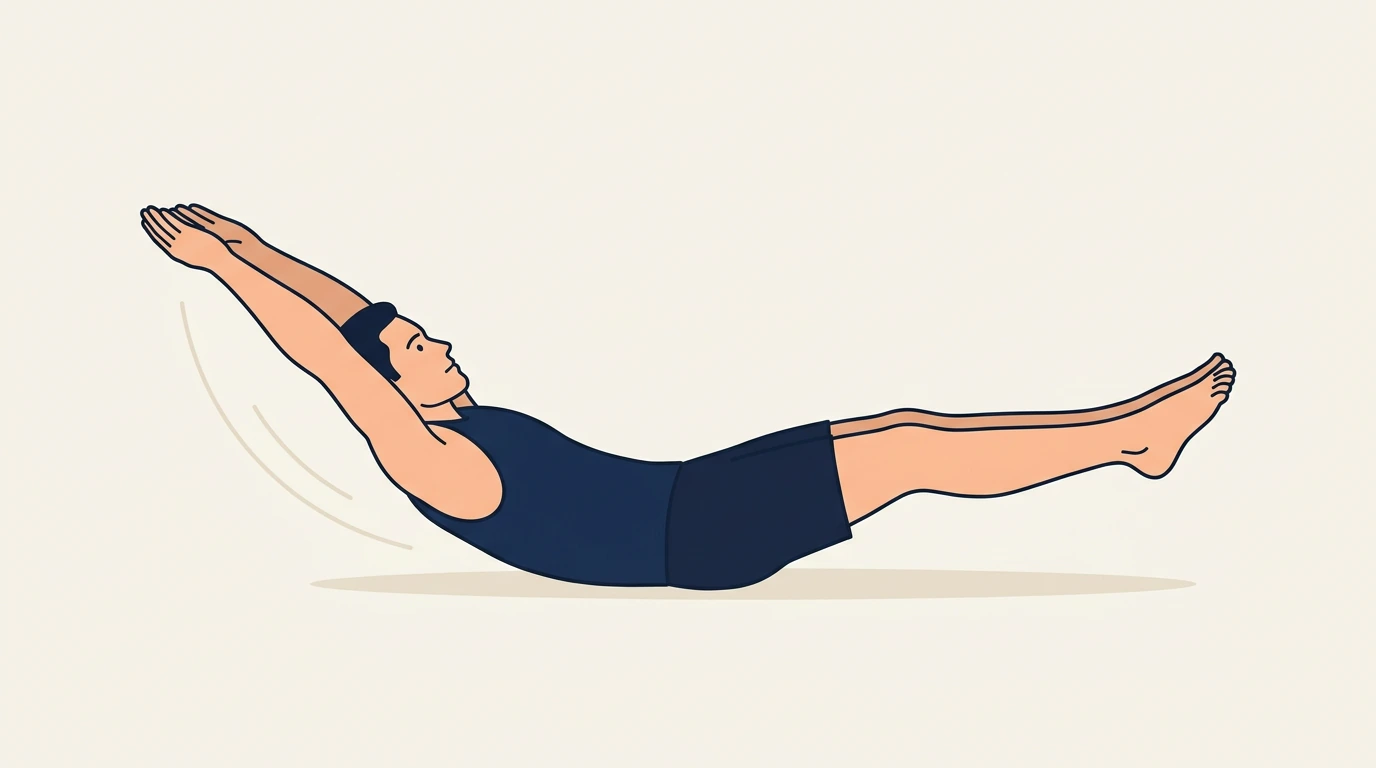
Setup and cues:
- Start in the hollow hold: lower back pressed down, shoulders and legs a few centimetres up.
- Rock gently - shoulders forward, legs back - keeping the shape rigid.
- The lower back never leaves the floor.
- Rock like a banana, not a seesaw: the shape bends nothing.
The mistake everyone makes: Kicking from the knees to make the rock happen. The rock comes from the whole rigid shape moving, core braced.
Sets: 3 sets of 15-30 seconds of rocking, rest 60 seconds.
Easier: The hollow hold (no rocking) - or tucked knees.
Harder: Longer arms, or small hand weights.
The plank shoulder tap
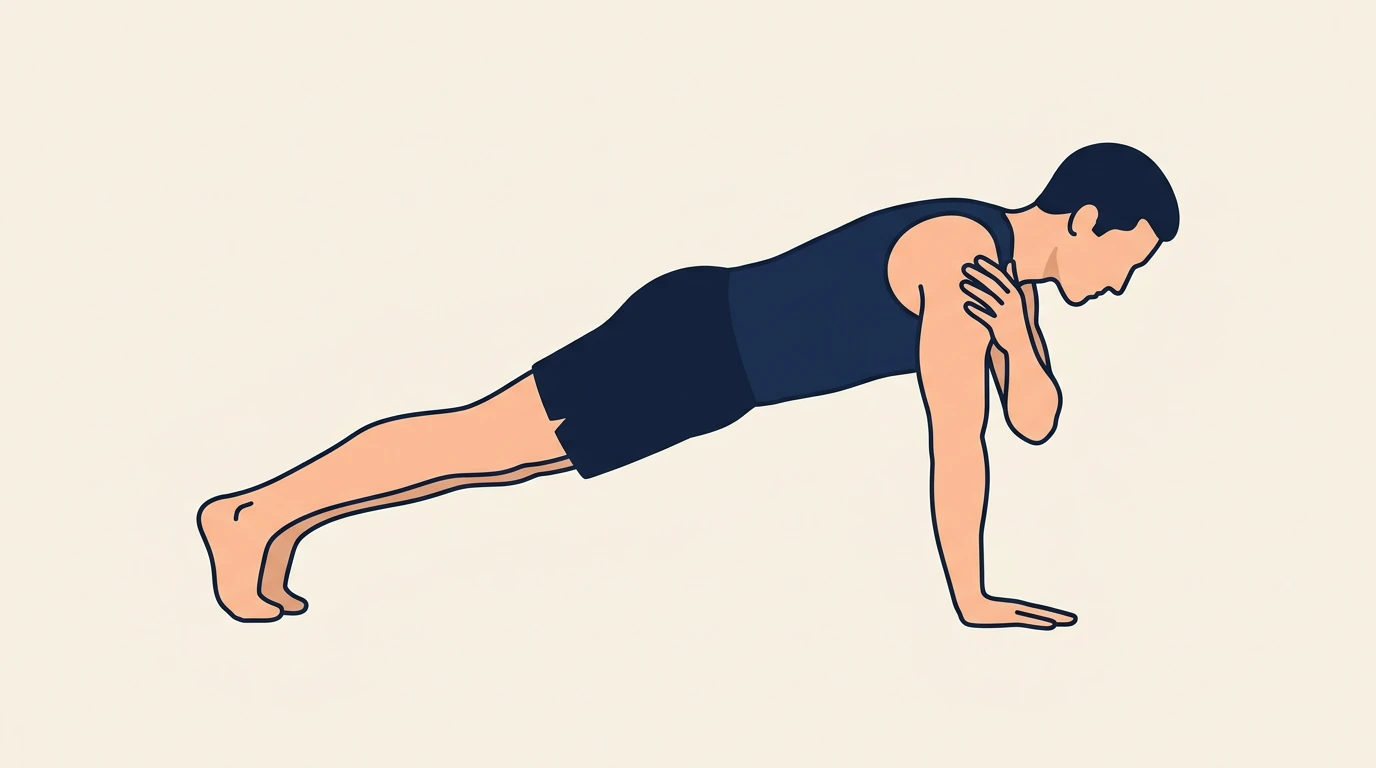
Setup and cues:
- Start in a strong high plank, feet slightly wider than hip-width.
- Tap your left shoulder with your right hand.
- Place it down slowly, then tap with the left.
- The hips stay perfectly still - that stillness is the entire exercise.
The mistake everyone makes: Letting the hips sway side to side with each tap. Widen the feet; the wider the base, the quieter the hips.
Sets: 3 sets of 10-16 slow taps, rest 45-60 seconds.
Easier: From the knees, same still hips.
Harder: Narrow the feet to hip-width, or slow every tap to two seconds.
The side plank dip
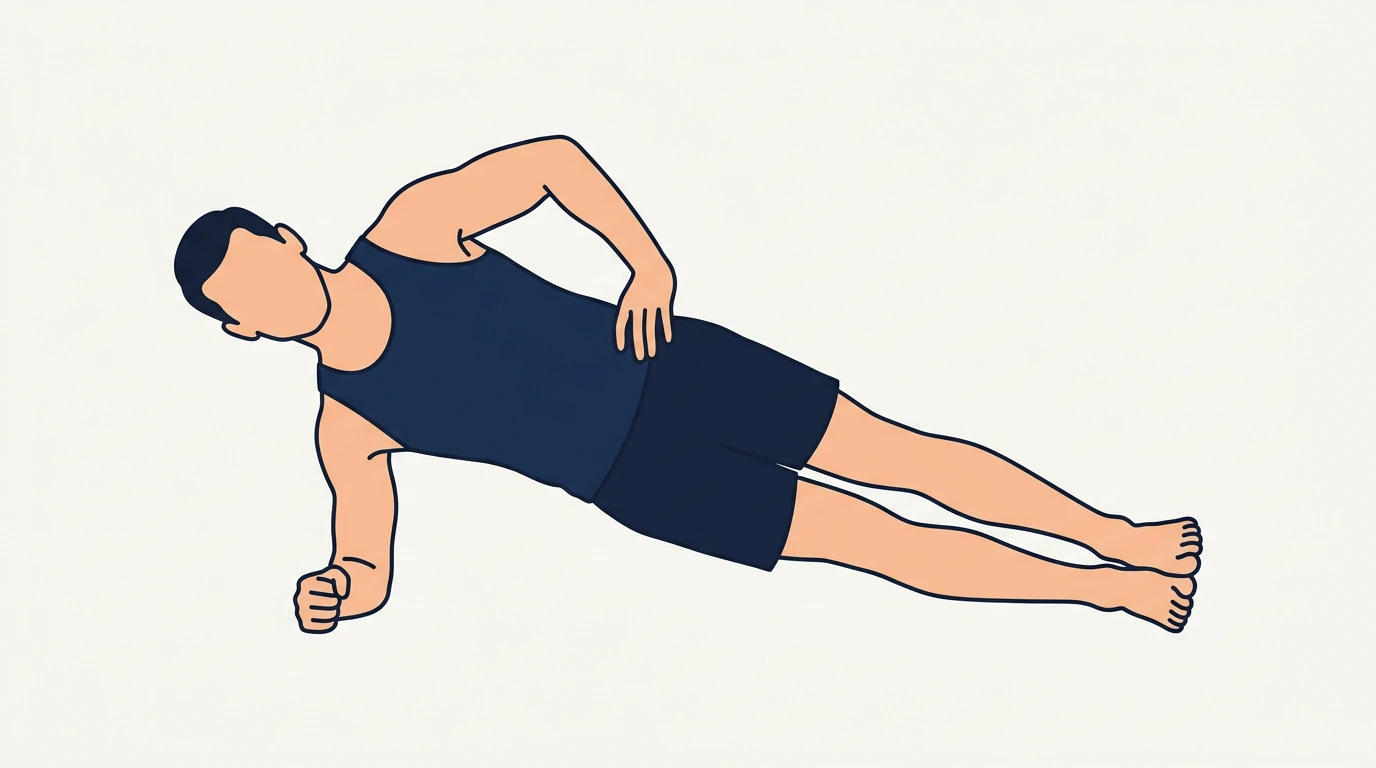
Setup and cues:
- Set a strong side plank: elbow under shoulder, body one line.
- Lower the hip a few centimetres toward the floor with control.
- Lift the hip back up slightly past straight - a small, honest range.
- Finish the set, then switch sides.
The mistake everyone makes: Rushing big dips. Small ranges with the ribs stacked beat big swings with a collapsing shoulder.
Sets: 3 sets of 8-12 dips per side, rest 45-60 seconds.
Easier: Bottom knee down (the kneeling side plank) with the same dip.
Harder: Top foot raised on a low step, or a five-second hover at the bottom.
The bear crawl
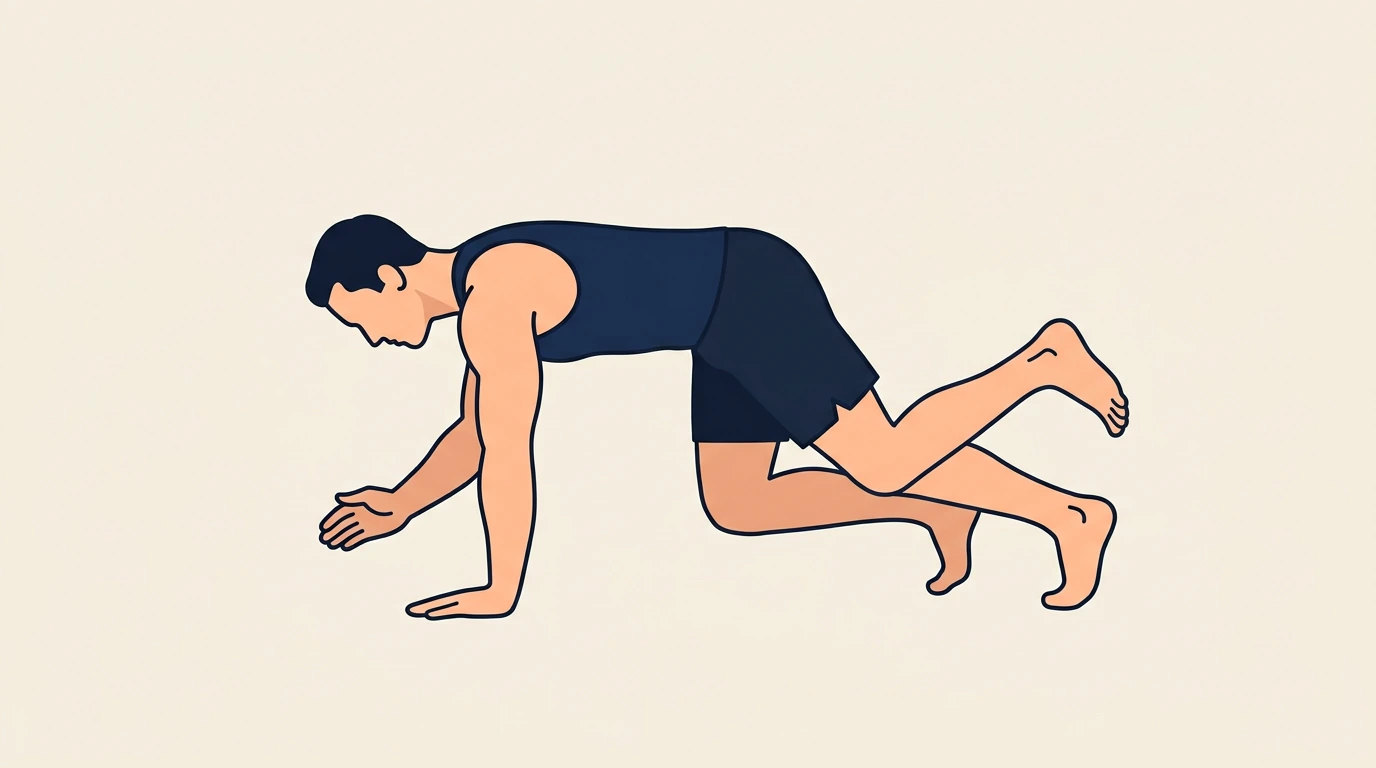
Setup and cues:
- Start on hands and knees, knees a centimetre off the floor - that hover is the position.
- Crawl forward moving the opposite hand and foot together.
- Hips stay low and level; back stays flat.
- Breathe. Slow, quiet crawls are the honest ones.
The mistake everyone makes: Hips piking up high. The knees-hover position is uncomfortable for a reason - that is where the core works.
Sets: 3 sets of 20-40 seconds, rest 60 seconds.
Easier: Crawl forward only, short distances, pauses allowed.
Harder: Crawl sideways and backwards, or add a push-up every four steps.
Form beats everything. Stop short of sharp pain, leave 1-2 reps in the tank, and add a rep or a little load when the top of the range feels easy two sessions running. Numbers on this page are approximate starting points, not medical advice.
Keep going
- Push day, taught: 16 chest, shoulder and tricep moves
- Pull day, taught: 16 back and bicep moves
- Leg day, taught: 16 squat, lunge and hinge moves
- The workout builder - turn these moves into a weekly plan
- The one-rep max calculator - what your reps say about your strength
Sources
Keep going
Related on this desk.
General information, not medical advice. If you have a health condition, have been inactive for a long time, or something hurts sharply, talk to a qualified health professional first.